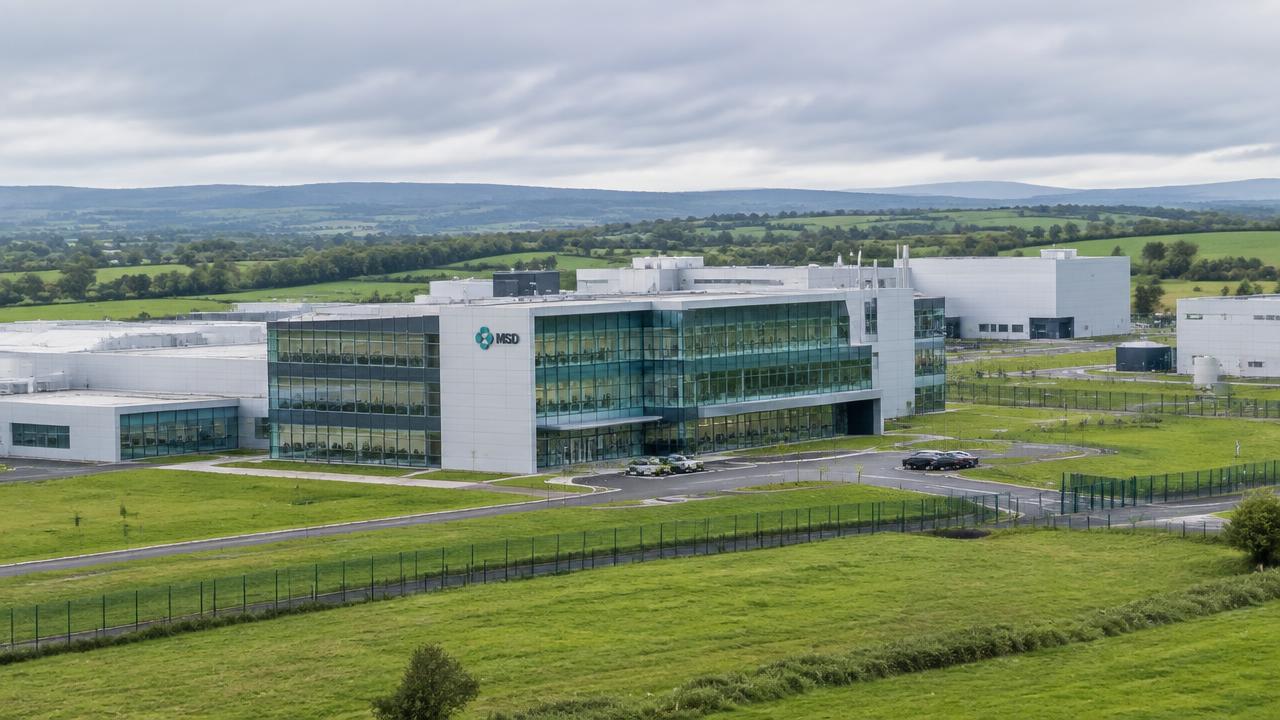
When global pharmaceutical companies assess where to manufacture their most critical medicines, Ireland consistently appears at the top of the list. Understanding why requires looking beyond the headline figures to the specific combination of factors that no other country in the world currently replicates.
The Compliance Record
Ireland's pharmaceutical manufacturing sites have maintained an outstanding record with the US Food and Drug Administration — the most demanding regulatory authority in the global pharmaceutical market. Consistent FDA inspection outcomes are not a given. They are earned through sustained investment in quality systems, trained personnel and manufacturing process integrity.
For pharmaceutical companies supplying the US market — which accounts for the largest share of global pharmaceutical revenue — the ability to demonstrate FDA compliance from an Irish facility is a significant commercial advantage.
Ireland's manufacturing base spans approximately 50 active pharmaceutical ingredient and drug product sites, built on long-standing small molecule excellence and reinforced by strong compliance reliability. This track record is difficult to replicate quickly. It has been built over decades.
The Talent Pipeline
Ireland's third-level education system has built specific capability in pharmaceutical science, biotechnology, process engineering and quality management. The cluster of universities — UCD, UCC, University of Galway, University of Limerick, DCU and the technological universities — produces graduates who enter an industry that has been operating at scale in Ireland for more than forty years.
The combination of experienced practitioners and a continuous pipeline of new graduates creates an operating environment that multinational pharmaceutical companies value highly. When a company is considering where to locate a new biologics facility or expand an existing one, the availability of qualified people at all levels of seniority is a critical factor. Ireland's talent pipeline is a genuine competitive advantage.
The Innovation Infrastructure
Alongside the manufacturing base, Ireland has developed significant research and clinical capabilities. Two new framework agreements concluded in principle in 2026 between the Department of Health and both the Irish Pharmaceutical Healthcare Association and Medicines for Ireland on the pricing and supply of medicines signal a maturing relationship between the state and the pharmaceutical industry that goes beyond manufacturing.
Research Ireland's announcement in April 2026 of €17 million in infrastructure investment — including €1.97 million for a national medical device innovation research facility developed in partnership between the University of Galway and RCSI — reflects a continued state commitment to building the research infrastructure that underpins long-term sectoral competitiveness.
What Comes Next
The global pharmaceutical industry is undergoing a technology-driven transformation. Cell and gene therapies, mRNA platforms, AI-enabled drug discovery and digital manufacturing are reshaping what pharmaceutical manufacturing looks like and what skills it requires.
Ireland's ability to remain competitive in this environment depends on continuing to invest in the capabilities — infrastructure, talent, regulatory engagement and innovation — that have made it the world's third-largest pharmaceutical exporter.
The foundations are strong. The competition for the next generation of pharmaceutical investment is intensifying. Ireland's response to that competition over the next five years will determine whether the sector consolidates or grows its global position.
Health Pulse — Ireland's home for health and healthcare intelligence. Subscribe to the Pulse Network Briefing.