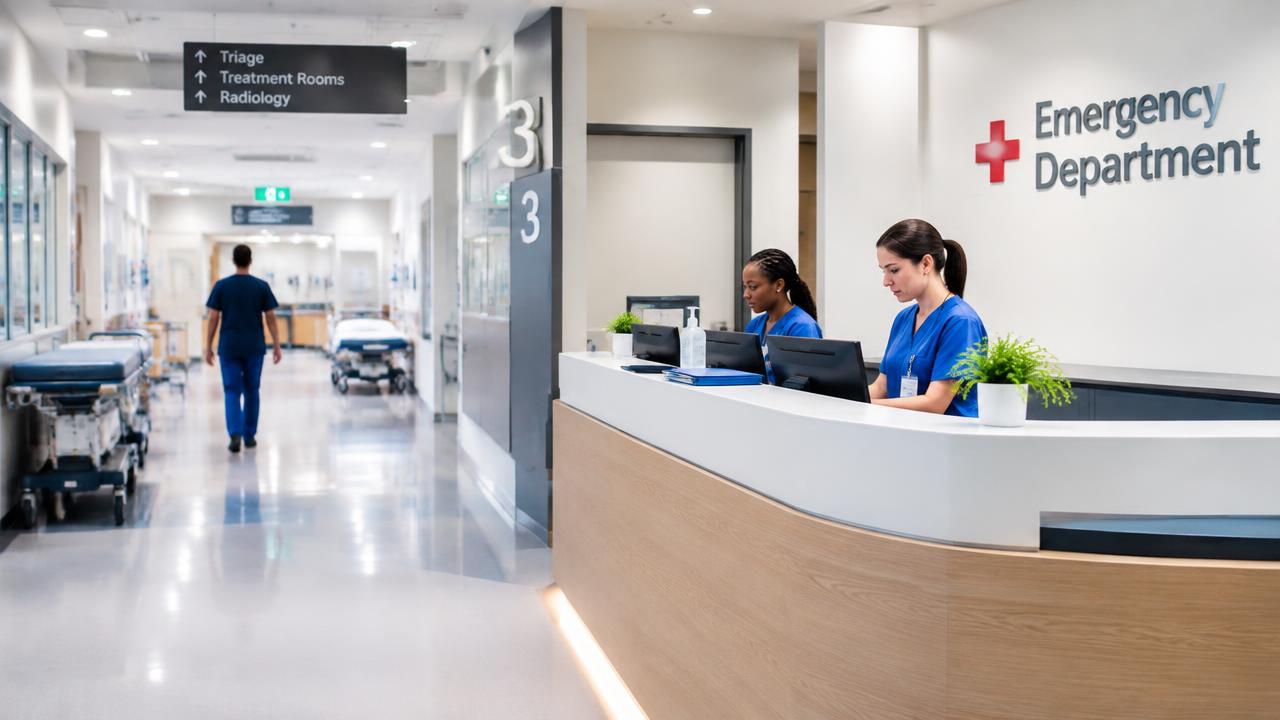
Anyone who has spent a night on a hospital trolley knows the frustration first-hand. But behind the headlines, a mix of new beds, smarter patient flow and community alternatives is starting to bend the curve on emergency department overcrowding in Ireland.
A tough year, but a real improvement showing through
The Irish Nurses and Midwives Organisation's TrolleyWatch count recorded 114,029 patients admitted to hospital without a bed during 2025, a slight fall on the previous year according to the INMO's own year-end analysis. It's still a big number, and nobody in the health service pretends otherwise. But the trend line matters, and it has kept moving in the right direction into 2026.
Minister for Health Jennifer Carroll MacNeill said that during December 2025, 28% fewer patients were waiting on trolleys compared with December 2024, despite an early and active flu season putting extra strain on hospitals. That's a meaningful drop at exactly the time of year emergency departments are usually under the most pressure, pointing to changes in how hospitals manage patient flow rather than just a quiet spell.
That improvement came despite a genuinely tough respiratory season. HSE Chief Clinical Officer Dr Colm Henry said flu activity peaked around Christmas, with 3,547 cases recorded in the week before Christmas alone and 632 patients in hospital with respiratory illness at one point, alongside rising RSV, Covid-19 and norovirus cases. Dr Henry credited vaccine uptake and closer working between GPs and hospitals with keeping that surge from translating into as many admissions as had been feared, evidence that the trolley improvement was earned under real pressure rather than handed to hospitals by a lucky, quiet winter.
New beds are changing the picture at the most pressured hospitals
University Hospital Limerick has long carried some of the heaviest emergency demand in the country, with 22,473 patients recorded on trolleys across the year. But the same reporting shows a genuinely encouraging turnaround: numbers there fell steadily from October, when a new 96-bed block opened at the hospital, down to just 22 patients waiting for a bed on New Year's Eve, compared with days earlier in the year when the figure topped 100 and even reached 149 in September.
That fall from 149 trolleys in September to 22 on New Year's Eve is one of the sharpest single-hospital turnarounds recorded anywhere in the TrolleyWatch data for 2025, and it happened at the hospital named the country's most overcrowded for several years running. It's a concrete example of what patient advocates have long argued: that overcrowding in Irish emergency departments is, at its root, a bed capacity problem, and that opening enough extra beds in the right place can move the numbers quickly rather than requiring years of incremental change, budgets and building work.
That single extra block shows what capacity investment can do almost immediately. The HSE's National Service Plan for 2026 builds on this, committing to 428 new community beds and 177 additional acute beds nationally this year, alongside five new surgical hubs designed to take pressure off emergency and planned care pathways. More beds mean patients can move out of emergency departments into wards faster, which is the single biggest driver of trolley numbers.
Community beds matter here as much as acute ones, because a significant share of patients stuck in emergency departments are older people who are medically fit to leave hospital but have nowhere appropriate to go, whether that's a step-down bed, a nursing home place or a home care package. Adding 428 community beds alongside the 177 acute beds is meant to unblock that end of the system too, freeing up hospital wards so emergency department patients can be admitted faster in the first place.
Injury units and community care are taking pressure off the front door
Not every patient who ends up in an emergency department needs to be there, and the HSE has been steadily expanding injury units as a genuine, no-appointment-needed alternative for problems like broken bones, sprains, minor burns and cuts. Patients referred by a GP or sent from an ED don't pay a fee, and if their case turns out to need full emergency care they're referred on directly, so there's no risk of falling through the cracks.
Work began in August 2026 on a new €1.9 million injury unit at St Dympna's Hospital in Carlow, which will serve patients from St Luke's General Hospital Carlow/Kilkenny and is expected to open in early 2027, offering an alternative to the local emergency department for minor injuries. The HSE's 2023 National Review of Injury Units recommended expanding geographical coverage further, and the Department of Health has confirmed an implementation plan for that expansion programme is now being developed, guided by the Emergency Medicine Programme.
The Carlow unit shows how these projects work in practice: it's a relatively modest capital spend attached to an existing hospital site, rather than a large standalone building project, which is part of why injury units can be delivered faster than a full emergency department expansion. Once open, it should reduce pressure on St Luke's General Hospital by giving GPs and paramedics a direct, fee-free referral option for patients whose injury doesn't need full emergency department resources.
This fits into a wider Emergency Medicine Programme Model of Care, published in September 2025, which sets out a systems-wide approach to organising emergency care, from pre-hospital response through to measuring and improving patient pathways across every region.
A dedicated winter plan and more GP capacity
Ahead of winter 2025/26, the HSE rolled out its Urgent and Emergency Care Operational Plan, designed to improve patient flow and strengthen hospital services across all seven days of the week, not just Monday to Friday. Alongside it came extra GP clinics, longer opening hours and weekend appointments, aimed at getting people seen before a minor illness turns into an emergency department visit that could have been avoided with earlier, simpler care.
A big part of that extra GP capacity came through the IMO GP Winter Agreement, negotiated with general practitioners and running from 8 December 2025 to 15 February 2026, under which participating practices provided an additional 20 hours of in-person respiratory and acute clinics each week outside normal surgery hours. Dr Ken Egan, Chair of the National Association of GP Co-ops, told the Medical Independent that getting GPs to work extended hours 'made a huge difference and worked very well', with one GP out-of-hours service covering Meath, Monaghan, Cavan and Louth recording over 2,300 patient contacts and managing more than 1,800 of them without needing to refer patients on to hospital during the busy St Stephen's Day period.
The Minister credited this combination of measures, plus a strong seasonal vaccination programme, with helping protect vulnerable patients and keep the health service more resilient over the Christmas period, even as flu, RSV and norovirus circulated more actively than usual. The daily Urgent and Emergency Care Report, published by the HSE every morning, now gives hospitals and the public real-time visibility of trolley numbers and surge capacity use, a level of transparency that supports faster local responses when a hospital starts coming under pressure.
The Bottom Line
Ireland's emergency departments are still busy, and nobody is claiming the job is done. But the direction of travel in 2025 and into 2026 is genuinely positive: trolley numbers fell year on year, a major new bed block transformed University Hospital Limerick almost overnight, and injury units and GP capacity are giving patients real alternatives to a long wait in an emergency department. With more beds, more surgical hubs and an expanding injury unit network planned for the rest of 2026, the tools now being used to tackle overcrowding look more joined-up, better funded and more likely to last the course than they have in years.
Health Pulse — Ireland's home for health and healthcare intelligence. Subscribe to the Pulse Network Briefing.