Take a patient's own immune cells, re-engineer them to hunt cancer, and infuse them back in - it sounded like science fiction when CAR-T therapy arrived in Ireland in 2021. Five years on, it's a working national programme, and it's about to double in reach.
The 150-patient milestone
In August 2026, St James's Hospital in Dublin marked a significant milestone: more than 150 patients have now received Chimeric Antigen Receptor T-cell (CAR-T) therapy since it became the first adult hospital in Ireland to deliver the treatment in 2021. Patients, families and staff gathered to mark the occasion and reflect on five years of the programme.
The therapy itself involves collecting a patient's own T-cells, genetically modifying them to recognise and attack cancer cells, and reinfusing them - offering hope to people with relapsed or treatment-resistant blood cancers when other options have run out, the hospital said. Dr Larry Bacon, Consultant Haematologist and Clinical Lead for CAR-T, said: 'Reaching over 150 patients is an important milestone, but what matters most are the individuals and families behind that number'.
The event featured stories from patients including Ireland's longest-surviving CAR-T recipient and the family of the country's first CAR-T patient, as well as someone who had to travel abroad for the treatment before it became available in Ireland - a reminder of how recently patients had no option but to leave the country for this care.
Hospital staff involved in the programme, including specialist CAR-T nurses and pharmacists as well as haematology consultants, were also thanked publicly at the event, reflecting how the treatment depends on a large, closely coordinated multidisciplinary team rather than a single procedure carried out by one doctor. Patients typically need weeks of close monitoring after infusion, since the reprogrammed cells can trigger side effects such as high fevers or neurological symptoms in the days that follow - one reason CAR-T has, until now, been concentrated in a single specialist Dublin unit.
From one hospital to a national network
That single-unit concentration is about to change. CAR-T was first delivered to adults at St James's Hospital in 2021 and to children in 2022, before which Irish patients had to travel abroad, mainly to the UK, the Minister for Health confirmed in a Dáil written answer in July 2026.
That same answer confirmed the service is now being expanded to University Hospital Galway (UHG), with the aim of opening CAR-T therapy there in the third quarter of 2026. The Galway site will provide the therapy for adult patients in the south and west of the country, increasing national capacity beyond Dublin for the first time.
The Minister also confirmed that infrastructure planning for advanced cellular therapies, including CAR-T for both blood cancers and solid tumours, is being reviewed by the HSE and assessed through the Strategic Healthcare Investment Framework, which is designed to ensure investment decisions are evidence-based and aligned with Sláintecare reforms.
The wider transplant and cell therapy base behind it
None of this appeared overnight. CAR-T sits alongside a much longer-established stem cell transplant programme at St James's, which was founded in 1984 and has performed more than 2,500 stem cell and bone marrow transplants to date, treating around 160 patients a year through its National Adult Allogeneic Transplant Programme and its Autologous Stem Cell Transplant Programme. The unit is JACIE accredited and reports its outcomes to the European Blood and Marrow Transplantation Registry.
That existing infrastructure and expertise is part of why CAR-T was able to scale relatively quickly once introduced: the same specialist unit, the National Adult CAR-T Cell Centre, built its programme on more than three decades of transplant experience, according to St James's own account of the first CAR-T treatment in December 2021.
Why Galway matters for patients outside Dublin
Until now, every Irish CAR-T patient, whether from Cork, Galway or Donegal, has had to travel to Dublin for treatment and the follow-up monitoring that CAR-T requires, meaning weeks away from home during an already stressful illness. Opening a second treatment centre at University Hospital Galway is intended to cut that travel burden substantially for adult patients in the south and west, according to the Minister for Health's July 2026 Dáil answer confirming the Q3 2026 opening timeline.
The Minister's answer also placed CAR-T within a longer planning horizon, noting that requests for the capital infrastructure needed for advanced cellular therapies are assessed through the Strategic Healthcare Investment Framework (SHIF), and that this sits alongside successive National Cancer Strategies that have guided Ireland's approach to cancer control since the 1990s. TD Colm Burke, who raised the question, had specifically asked whether a ten-year infrastructure plan would be put in place to cover both blood cancers and solid tumours, reflecting growing political interest in ensuring cell therapy capacity keeps pace with clinical demand.
The August 2026 milestone event at St James's also carried real emotional weight: it deliberately included the story of a patient who had been forced to travel abroad for CAR-T before the therapy existed in Ireland, alongside the family of the country's very first Irish CAR-T recipient, underlining just how far the service has come - from a single 2021 infusion to a programme now serving patients from every county.
Two therapies now reimbursed, and a second hospital approved
The national programme has also grown in what it can offer, not just where. Gilead Sciences and its subsidiary Kite confirmed in April 2026 that two CAR-T cell therapies are now reimbursed through the public health system for eligible adult patients: Yescarta (axicabtagene ciloleucel), for diffuse large B-cell lymphoma and high-grade B-cell lymphoma that relapses early or does not respond to first-line treatment, and Tecartus (brexucabtagene autoleucel), for adults aged 26 and over with relapsed or refractory B-cell precursor acute lymphoblastic leukaemia. DLBCL is the most common type of lymphoma in Ireland, accounting for around a third of all non-Hodgkin lymphomas, and while 50 to 60% of newly diagnosed patients respond to initial treatment, 30 to 40% relapse or do not respond and may need a therapy like CAR-T.
Capacity has also widened outside the two main CAR-T delivery sites. In April 2026, Beaumont Hospital's RCSI Cancer Centre was approved by the National Cancer Control Programme as a centre for delivering cellular therapies for blood cancers in adults, led by consultant haematologists Professor Siobhan Glavey and Professor John Quinn. Beaumont's approval does not replace the dedicated CAR-T manufacturing and infusion pathway run through St James's and, from 2026, Galway, but it reflects a broader build-out of specialist cellular therapy expertise across Irish hospitals, including growing capability to manage patients who need this kind of treatment closer to where they live.
That widening base of expertise matters because CAR-T is a genuinely national effort behind the scenes, even when the infusion itself happens in only one or two hospitals: a patient's T-cells still have to be collected, processed, shipped for manufacturing and returned, and the patient needs specialist monitoring for weeks afterwards for side effects such as cytokine release syndrome. Building cellular therapy knowledge in hospitals like Beaumont means more of that surrounding care, and referral into the national programme, can happen without every step requiring a trip to Dublin or Galway.
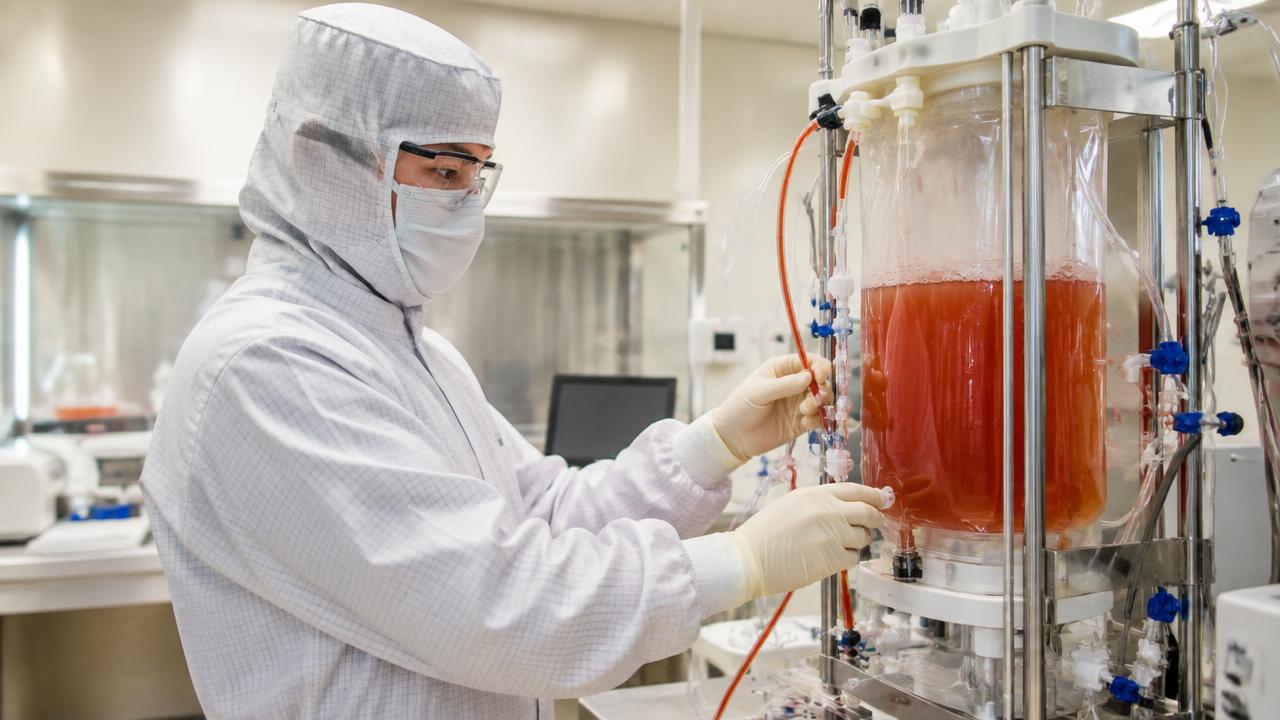
Clinicians involved in the programme point to the manufacturing step as one of the more remarkable parts of the process for patients to understand: after collection, a patient's own T-cells are frozen and shipped to a specialist manufacturing facility abroad, genetically re-engineered there over a period of a few weeks, and then shipped back to Ireland for infusion into the same patient - a treatment built individually for each person rather than produced as a standard, off-the-shelf drug.
The Bottom Line
What began with a single patient in December 2021 has become a programme that has now treated over 150 people, and is about to become a genuinely national service with a second centre opening at University Hospital Galway in 2026. For blood cancer patients who once had no choice but to travel to the UK for this treatment, CAR-T therapy is now available, growing, and moving closer to home.
Health Pulse — Ireland's home for health and healthcare intelligence. Subscribe to the Pulse Network Briefing.